Author Archives: Sari Cooper

How Do AI Companions Really Impact People’s Experience of Authentic Attachment and Sexual Connection?

New Research highlights Notable Results on Mental Health, Sexual Relationships, and Loneliness in the Age of AI.

The Loneliness Paradox
Source: Magnific/Starline

May is National Mental Health Awareness Month in the US. This year’s theme, “More Good Days, Together,” focuses on the importance of connection, support, and community in emotional well-being. The campaign’s message feels especially relevant to these times, when many clients report to their therapists that they feel increasingly lonely despite being digitally connected to just about everyone in their lives. The American Psychological Association’s 2025 Stress in America survey found that over 6 in 10 U.S. adults have felt isolated over the past year.  As a relationship and Certified Sex Therapist, the expression of loneliness may be expressed through specific symptoms like: 

  • A client’s reporting of low desire and less frequency of sexual intimacy with their partner. 
  • A dating client talking about how much they miss being hugged or even touched. 
  • A couple escalating with anger when the topic of their lackluster, boring sex life comes up in a couples therapy session.  
  • A male partner stating he is having erectile issues and is afraid of initiating sex with his partner. 

Can AI Companions Help Reduce Isolation?

As loneliness continues to rise, newer studies are also exploring how artificially responsive AI tools are becoming sources of comfort and companionship for increasing numbers of people. In 2024, Chou and colleagues studied how an AI chatbot helped older adults during the COVID-19 lockdown cope with the loneliness and stress of isolation. They observed 35 adults, with an average age of 65, who had anxiety or depression. After 4 weeks of interacting with the AI chatbot, the subjects completed multiple self-report questionnaires. The researchers observed that the loneliness scores in adults over 65 years old improved. 

Similarly, in another 2024 study posted in the Journal of Psychology & Marketing, Marriott and Pitardi analyzed hundreds of Reddit posts made by users of an AI companion app in the United States, and they surveyed over 500 of those app users (ranging in age between 20-45 years old). They found that many participants described using these AI apps because they felt lonely, emotionally unsupported, or afraid of judgment from other people. For example, one user stated: “[The AI friendship app] listened to me when nobody wouldn’t. She has spoken to me when I was too vulnerable to let another human in.” The participants felt that AI was always available, trustworthy, non-judgmental, and actually helped improve their mood and mental health. 

However, these results prompt the questions many sex therapists encounter: Can AI bots or companions actually provide the sustained erotic, sexual, and emotional intimacy that is inherent in an IRL relationship? 

Can it be used as a tool to help folks with social anxiety learn the skills needed to approach a person in real life?  

Source: Pexels/Cottonbrostudio

When overusing AI, some users reported actually feeling as if they were escaping real life, real friends, and real forms of support like therapy. Marriott et al. found that becoming addicted and developing an unhealthy reliance on AI can hurt social and mental well-being rather than help. Many sex therapy clients who begin sex therapy report that they are addicted to porn, overly reliant on a chatbot, and that it is causing harm to their relationships, their work life, and their sense of self-respect. When discussed in therapy, they often describe their online world as easier to engage with than the confusing or overwhelming world of IRL dating or relationships. My colleague Esther Perel describes the online world of AI chatbot experiences with adjectives like “frictionless, polished, one-way”.  Having relationships without a real, differentiated person on the other side who has a different need or opinion is not actually a relationship; it is a self-curated experience. Over time, a person with social anxiety or trauma may feel less capable of engaging with the world over time because they are not building the muscle of relationality.  

While digital communication and AI tools may help reduce feelings of loneliness in the near term, they do not fully replace the nourishment that people can access through in-person emotional connection, physical touch, mutual vulnerability, and sexual intimacy.

What Does the Research Say About Mental Health Benefits of Sexuality

In a 2025 systematic review published in Behavioral Sciences, Pollard et al. examined the relationship between sexual health and mental health in over 3,000 records. The researchers found that sexuality should NOT be considered separate from overall well-being. Rather than defining sexual health as the absence of sexual dysfunction, the paper highlights the importance of other factors like sexual satisfaction, desire, pleasure, and intimacy. These aspects of sexual health were linked to higher psychological well-being and better physical health. For example, they discussed that due to the fact that orgasms are followed by a release of hormones like prolactin and oxytocin, orgasms are a solution to release stress in all humans. Therefore, one of the evidence-based lessons a therapist can pass on to their clients is that Better Sex=Better Overall Health. And always add the caveat that sex can mean all types of touch and connection and does not always involve penetration.  

5 Ways to Create More Emotional & Sexual Intimacy

This Mental Health Month, “More Good Days, Together” is an invitation to get honest about what technology should be used for and what it cannot replace. Here are a few places to start:

  • Notice the patterns. Is AI support being used for situations when a friend could be  texted? Try choosing two-way connections over frictionless one-way experiences.
  • Prioritize physical touch. Whether with a partner or through therapeutic touch like massage, physical contact releases oxytocin and lowers cortisol levels.
  • Initiate one vulnerable conversation this week. Ask a partner or close friend what experiences they are longing for. Then take a turn sharing one’s own desires if one feels safe to do so. These moments build the neural feedback loops, which grow a person’s capacity for mutual emotional connection that AI simply cannot provide, since it is, in fact, not sentient. It was built to serve, not to create a true give-and-take experience. I would recommend researcher Arthur Aron’s 36 Questions study, which showed increased interpersonal closeness, first published in the 1990s. You can practice these with a friend or a romantic partner. 
    Source: Pexels/SHVETSproduction
  • Use AI as a bridge, not a destination. If a chatbot helps process a difficult feeling or situation, and lets one practice speaking about one’s feelings, then ensure that you take the next step of trying out these conversations with an IRL friend, a partner, or a therapist. 
  • Schedule pleasure and block time for intimacy, solo or partnered. With sexual satisfaction being tied to lower anxiety, it really deserves to be part of a person’s wellness practice.




How can Survivors Regain Pleasure After Sexual Trauma?

How Sexuality Responses Change After Sexual Assault

When discussing sexual trauma in professional therapy articles, conferences, or in media catering to the general public, it is presented solely on what has been lost by survivors, i.e., sexual desire, erotic excitement, or a sense of embodiment and pleasure in one’s body. While these sexual symptoms are described frequently in sex therapy by sexual trauma survivors, they are only part of the broad array of sexual and erotic experiences that survivors can heal from and gain agency over time in sexual trauma-focused somatic sex therapy treatment.

In both clinical work and in new studies, there are more hopeful outcomes reported by sexual trauma survivors around their partnered and solo sexuality. Many survivors learn that the responses they express with partnered sex fall into one of the four Fs of trauma responses, namely: fight, flight, fear, and fawn. While many survivors do struggle with avoidance of any partnered sex, pushing partners away when triggered, or a pattern of disassociation during sex, others continue to experience desire and curiosity for partnered intimacy. Consequently, not all survivors of sexual trauma respond the same way to erotic and sexual experiences, and their sexual experiences are not always devoid of pleasure. 

Source: Pexels/NinoCaré

This brings up an important question: What actually happens to sexual pleasure, and fantasy life after sexual trauma, and what does sexual healing actually entail?

What Kinds of Sexual Fantasies Do Trauma Survivors Actually Have?

In a recent 2024 study in the Journal of Child Sexual Abuse, Canivet and his colleagues examined sexual fantasies among 48 adult survivors of childhood sexual abuse (CSA) and 44 non-victims, all living in North America. The researchers identified ten categories of fantasies, including romantic connection, group sex, and emotional needs like sexual validation. Interestingly, the most common fantasies amongst the two groups were strikingly similar. In both groups, genital stimulation and oral interactions were the most popular fantasies. These were followed by two fantasy categories equally chosen by both survivors and non-victims: 

  • Submission/masochism and 
  • desires and imagery about being cared for. 

Contrary to what the public may think, when looking at the overall patterns, most of the fantasy categories were reported equally by survivors and non-victims, with nine out of the ten categories reported in both groups. 

Source: Pexels/KamajiOgino

Even themes often mistakenly associated solely with trauma by the general public and many general therapists, like submission/masochism and violence, were also reported by individuals without a history of sexual abuse. This finding challenges the idea that survivors’ fantasies are inherently different or defined primarily by power dynamics or past experiences. The one category that Canivet and their team found unique to survivors might be surprising: versatility. This is a fantasy that focuses on the “openness to fully explore and embrace the diverse roles within sexual power dynamics”. When clients in sex therapy are asked about their fantasies they’d like to experience, they frequently describe their desires to enact roles in both the submission and dominance realms of power exchange. Some describe sexual behaviors associated with BDSM (Bondage, Discipline, Sadism/Masochism) while also expressing to the clinician that they feel terrible shame after watching these kinds of scenes in porn or experiencing them consensually with a partner.

For some survivors, kink fantasies may serve as a way of gaining mastery over the past traumatic experiences by shifting the dynamics of what once felt out of control into full control within their agency. The wide range of fantasies in this study stressed that most survivors did not report fantasies that included violence or sadism. 

This study supports the critical finding that sexual fantasy exploration by trauma survivors is more diverse, individual, and not defined by any single pattern.

Sexual Behaviors Experienced by Survivors Vary Widely

Source: Pexels/YaroslavShuraev

The variability in fantasy life is illustrated in survivors’ lived sexual experiences as well. In a qualitative study published in 2018 in the Journal of Sexual Research, O’Callaghan et al. conducted in-depth interviews with 45 adult female sexual assault survivors and 45 of their informal support providers (partners, family members, etc.) who were not survivors, with interviews taking place on average about 12 years after the assault. 

Rather than finding one consistent pattern in their sexual responses, the study found a wide range of behaviors in survivors’ sex lives. Some trauma survivors became more sexually active by taking more than one sexual partner, while others leaned towards sexual abstinence. 

Notably, none of the survivors described having an explicit fear of sex. 

Instead, many describe a loss of interest, often due to past repeated victimization in sexual encounters or relationships. These are the clients who self-refer to sex therapy with the presenting problem of having a low libido. This is a problem that is causing rifts with their partner or making them feel like they’re missing out on what could be more pleasure in their sex life. 

Source: Pexels/KampusProduction

In O’Callaghan’s study, many participants described having positive sexual experiences in romantic relationships, especially when their partners were communicative, respectful, and attentive to their boundaries. Some partners adjusted their approach to intimacy by moving more slowly and asking for consent more explicitly. For example, one participant verbalized to their partner: “If oral sex bothers you, we don’t have to do it. We’ll just go at your own pace”. 

Sex therapy helps survivors and their partners in couples treatment to learn new verbal scripts like those stated in the study to engage more confidently and safely with partners. It also teaches survivors to recognize when they are being triggered and/or disassociating and asking their partners to stop and pause the sexual activity. This break allows them the space to do grounding and breathing techniques to reconnect with their body and lower the impact of the trauma symptoms. These skills allow a survivor to slow the pace of a sexual encounter so they can engage with a partner who can support their growing sense of safety and agency. 

While challenges such as triggers or mismatched desire are common symptoms among survivors in sex therapy, this study shows that sexual experiences after sexual trauma are not defined solely by avoidance or disconnection. They can also include connection, safety, and sexual pleasure.

What Sexual Trauma Sex Therapy Provides

According to a 2013 Journal of Sexual Medicine study and clinical experience, sexual trauma survivors benefit from actively engaging in healing through a variety of healing modalities, including: 

  • Individual sex and trauma psychotherapy 
  • couples sex therapy
  • support groups, and 
  • creative outlets like art therapy or dance classes.
Source: Pexels/GustavoFring

Both the research and clinical techniques described in this blog focus on a sexual assault survivor of any gender or orientation, developing a more intentional, self-defined relationship with their own sexual pleasure. Through sex therapy, survivors learn communication skills, techniques to decrease levels of shame, grounding exercises, and gain accurate education about the wide spectrum of authentic fantasy and sexuality. These interventions open up the wide possibilities of pleasurable sexual behaviors that are consensual, more aligned with their fantasies, and less constrained by trauma triggers and self-limiting beliefs.

Does Positive Body Image Alone Improve One’s Sex Life?

New research provides key insights into what partners need when it comes to more pleasurable sex.

In most general couples/relationship therapy, there are common relational and systemic dynamics that affect most romantic relationships, such as:

  • communication patterns
  • attachment styles of each partner
  • past traumas (including sexual trauma, childhood trauma, domestic violence)
Source: Pexels/Huhainc

However, there is another critical factor that shows up frequently in individual and partner therapy with a Certified Sex Therapist, which can be frequently overlooked by a general couples therapist and/or a romantic partner: Negative self body image.

Many people who struggle with sexual connection, low desire, or relationship satisfaction may not be struggling with the love they feel for a partner or the level of commitment they have to their romantic relationship(s). What they may secretly be challenged by is the lack of comfort and safety they have in their own skin.

A negative body image can come along with a host of symptoms, including avoidance of:

  • initiating sex
  • expressing desire to a partner, and/or
  • communicating boundaries.

In a recent 2025 study in Behavioral Sciences, Rizzo et al. examined these less commonly researched connections on body appreciation, sexual esteem, and sexual assertiveness influenced relationship satisfaction. They found that the way people feel about their bodies and whether this impacts their communication really contributed to how they showed up in their sex life, which in turn can affect their romantic relationship(s) as a whole. These research findings align with the goals the Sex Esteem® framework was created to improve in somatic sex therapy sessions.

The Study: Who Was Included and What Was Measured?

Rizzo and colleagues (2025) recruited 473 Italian adults (50.1% men, 49.7% women; ages 18–49) who were currently in heterosexual romantic relationships.

The participants completed four self-report assessments on:

  • Body appreciation (Body Appreciation Scale-2)
  • Sexual esteem (Sexual Esteem subscale of the Multidimensional Sexuality Scale)
  • Sexual assertiveness (Sexual Assertiveness Questionnaire, focusing on initiating sex and refusing unwanted sex)
  • Relationship satisfaction (Dyadic-Familiar Relationship Satisfaction Scale)

The researchers then used structural equation modeling (SEM) to test how these key pieces were connected in those relationships.

The Power Of Both/And: Intrapsychic Sexual Self-Esteem With Interpersonal Communication Skills

Source: Pexels/RobertoHund

Rizzo et al. discovered that when individuals felt more accepting and positive toward their bodies, they also were more confident sexual partners. However, the correlation the authors reported was: “Sexual assertiveness, but not sexual esteem, was positively associated with relationship satisfaction”. In other words, a person having body positivity on its own isn’t enough to improve one’s sex life. It was only when the subjects felt more confident enough to take actions like:

  • initiating sexual activity
  • communicating their desires and
  • clearly accepting the sex they wanted and declining unwanted sex

that the subjects reported improvement in their sexual and romantic relationships.

The difference between sexual esteem on its own versus when it is combined with sexual assertiveness is shown to be critical in this study and in clinical sex therapy.

Internal confidence is great, but alone doesn’t equal relational happiness.

In a somatic sex therapy clinical framework, two key cornerstones are confidence and communication skills. As confirmed in this study, what matters most to adults in a sexual relationship is how their sexual esteem is enacted through clear, confident communication skills followed by actions. Without clarity on what is wanted in a sexual scenario and the limits of what will be a consensual shared sexual encounter, partners frequently find themselves falling into patterns of:

  • avoidance (experienced as personal rejection by a partner)
  • compliance (resulting in duty sex)
  • unspoken (or passive-aggressive or aggressive) resentment over time.
  • potential non-consensual and/or coercive sexual encounters.

Further Research Results on Body Image and Sexual Function

Source: Pexels/AlexanderKrivitskiy

The previous study results are consistent with prior research on low body image self-esteem. A 2023 study in the Annals of the Academy of Medicine, Singapore, found that poorer body appreciation was significantly associated with female sexual dysfunction in a questionnaire given to 514 sexually active young women (21-35) (Husain et al.).

In past studies, researchers focused on how being overweight or underweight as a physical factor can impact people’s sex lives. However, similar to the previously cited study by Rizzo et al, Husain et al. found that a negative body image had a strong impact and relation to sexual dysfunction, unlike BMI (body mass index).

Specifically, lower body image and lower self-esteem were linked with poorer scores on the Female Sexual Function Index, whereas BMI categories (e.g., overweight) did not show a strong association with sexual dysfunction outcomes. This suggests that how a person perceives their body matters more than people may think.

How Negative Self-Body Image Intersects with Sex Therapy Skill-Building

Both these studies, along with sex therapy clinical experience, illustrate that when a partner feels disconnected and/or negative about their own body image, it is usually combined with less than optimal communication skills. Sexual avoidance, difficulty initiating, or the lack of communicating preferences can slowly destroy intimacy over time.

Rizzo et al. (2025) remind us that relationship satisfaction is not built on sexual self-esteem alone, although it is helpful. It is the combination of the ability to use that internal security for authentic relational clarity in communication with a sexual partner. Having the courage to say “I want you,” “I don’t like that type of touch,” or “This stimulation feels good” requires a Sex Esteem® confidence, communication skill, and trust in one’s partner to listen without defensiveness, minimizing, or gaslighting. Therefore, improving intimacy may not only include improving or maintaining one’s positive body image but also gaining verbal and non-verbal techniques to express the nuances of what one truly desires and listening to a partner’s needs and wants without feeling pressure to immediately consent, people-please, or enact a sexual scenario.

Source: Pexels/KetutSubiyanto

Positive sexual self-esteem is one cornerstone of gaining authentic Sex Esteem®. It is the development of one’s sexual voice along with improved communication techniques, as the research above suggests, that helps to build improved relational and sexual satisfaction in relationships.

Should Someone Enter a Rebound Relationship Soon after a Breakup?

New research busts myths about the best advice for post-breakup recovery.

After a breakup, most young adults are often encouraged to take time to heal without rushing into dating again. After a relationship ends, broken-hearted partners may hear advice like “rebounds are an unhealthy coping mechanism.” However, in a recent 2025 peer-reviewed study in the Archives of Sexual Behavior, researchers reveal surprising results. The article suggests that getting involved with someone new after a breakup may actually be a positive thing.

Source: Pexels/AnnaShvets

The study, Breaking Up and Bouncing Back: Distress and Post‑Breakup Adjustment of Young Adults, examined over 800 young adults aged 18-25 who had just experienced a breakup from their romantic relationships. The authors, O’Sullivan, Belu, and Wasson, tracked how levels of self-esteem, distress, and intrusive thoughts changed if they stayed single or entered a new relationship. The findings were eye-opening, especially when psychotherapists usually caution clients from entering rebound relationships soon after a relationship breakup. 

What the Research Found

The researchers conducted their studies using anonymous online surveys with young adults who identified as heterosexual, gay, lesbian, and bisexual. The authors discovered that the breakups were distressing for both partners, regardless of who initiated the breakup. The pain of heartbreak impacts both partners as the daily routines, emotional comfort and sexual connection have now abruptly ended. It is in the recurring and at times obsessive thoughts about the rituals and emotional experiences that cause partners to feel increased feelings of anxiety and a sense of being frozen. 

The study found that people who stayed single after the breakup struggled more frequently with these ruminating thoughts and painful memories. However, the researchers in this study discovered that those partners who rebounded with a new relationship or situationship after a breakup were able to function more easily. While the subjects still experienced grief, the new romantic connection helped them with moving forward with their day-to-day functioning. 

Source: Pexels/RDNEStockproject

Additionally, the study reported that the rebounding partners’ overall well-being and confidence were greater because they felt desirable again. The study did not explore whether the rebounding relationship lasted a specific amount of time. However, they did discover a curious finding for therapists to hold in their clinical toolkit. The key to better functioning was not that the rebound relationship was going to lead to a new, longer-term relationship or marriage, but that it functioned more as a lifting out of the ruminating habit. The main cause of the post-breakup distress wasn’t the grief itself, but the intrusive and persistent thoughts partners continued to have about their ex-partner. The rumination and obsessions were what kept people stuck.

The Second Arrow: Why Rumination Hurts So Much

This finding aligns closely with the clinical teaching, the Buddhist concept of the Second Arrow, which I introduce to clients in my practice. In this parable, the first arrow that strikes a person is equivalent to a painful event, whether it’s a physical injury or a relationship breakup. The second arrow is what happens when one shoots themselves by adding in self-blame and the negative mental load. 

Source: Pexels/Alexgreen

To break free from it, one must not allow the cycle of negative thoughts to win. Naturally, when people go through a breakup, their mind often fills the silence with rumination. So, in therapy with post-breakup partners, teaching them to mindfully reduce their obsessive thoughts about their ex-partner, while still mourning the loss of the relationship, can be a critical therapeutic technique for their recovery.

A Both/And Approach to Healing from Heartbreak

Many therapists may still hesitate to encourage their clients to initiate a rebound relationship. However, the takeaway here isn’t recommending that heartbroken partners should jump into relationships in order to avoid processing their feelings. Therapists should be open to their clients starting to date while also using therapy to both mourn the past and not isolate themselves in obsessive thought loops.

Mel Robbins echoes this in her Let Them framework, articulated in her podcast and her book. She highlights the importance of no-contact periods after breakups. She even points out that things like “a revenge diet” because of an ex may cause a partner to remain too emotionally enmeshed with their ex. According to Robbins, in order to get over a breakup, a person has to untangle all the aspects of the previous relationship from the new reality. To rewire the brain away from shared routines and constant reminders. In her book, she says: “You have to unlearn your life with them so you can start living your life without them.” 

How to Rewire The Post Breakup Mind

Clinically, this study reminds us that many clients struggle less with grief and mourning itself and more with psychological rumination. Interventions that reduce rumination, like cognitive reframing, emotional expression, and social connection, may be more impactful than focusing solely on “closure.”

Source: Pexels/AntoniShkrabaStudio

Here are tips that will help clients mourn a breakup while rebuilding their lives. 

  • Don’t ignore and suppress your feelings
  • Return to daily routines you did before the relationship to give a sense of stability
  • Talk openly with supportive friends or family instead of isolating
  • Join a support group for breakup partners
  • Allow the feelings without feeding into obsessive thought loops
  • Begin a daily mindful meditation practice to help battle rumination
  • Avoid emotional discussion with your ex-partner if it’s a final break. Revisiting the decision isn’t helpful to either partners unless you and they are open to couples counseling.
  • Don’t wait too long to start dating again; go out for casual dates to regain confidence and to have some fun. 

Self-pleasure, dating, creative engagement, and new experiences with people can all help to disengage the mind’s rumination and get unstuck. Breakup recovery isn’t about waiting a prescribed amount of time before dating again. It’s about helping and supporting partners to move forward with a clear mind, rather than an obsessive one.

Top Ten Sexy and Intimacy-Building Gift List for This Holiday Season

As the holiday shopping spree begins, here are a few tips for gift-giving:

  • Focus on meaning, not the price tag.
  • Prioritize shared experiences and connection over impersonal and trendy material gifts.
  • Treat gift-giving as relationship care, not a burden.

Below are some of my favorite holiday gifts designed to be shared—either with a romantic partner or with someone with whom you’d like to build a deeper connection and vulnerability.

Each of these gifts highlights one or two of the 5 senses and/or emotional intimacy: 

  1. Touchcards

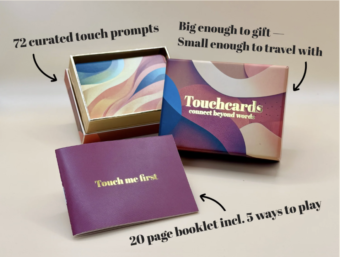
A poetic card game by Anne-Lorraine Selke and Jakob Wolski. 72 precise and playful prompts invite you to explore new ways to express yourself with touch. Play with lovers or friends, as innocently or intimately as you like.

Source: playtouch.cards
  1. Massage Candle 

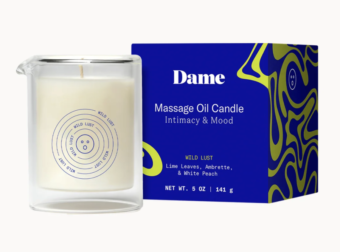
Massage candle (with delicious scents, so this gift covers touch and smell) sold by Dame, a respected woman-founded sex toy company. This candle provides an ambiance that turns into tactile, scented, warm pleasure when the candle melts into massage oil.

Source: dame.com
  1. Lelo Duel-Action Couple’s Vibrator

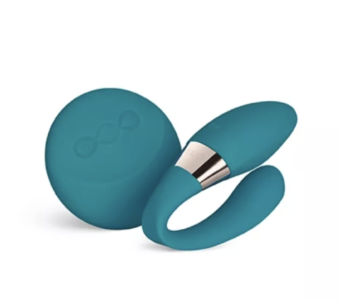
Lelo vibrator for male and female identified partners TIANI™ DUO is a dual-action couples’ massager featuring two powerful motors working in tandem, resulting in a dual sensation transmitted to the clitoris and the penis. Because it bends easily, it can be used by all body shapes, helping both partners experience synchronized mutual pleasure. The technology allows partners to increase the intensity of the vibrations with the flick of a wrist using a remote control.

Source: lelo.com
  1. Arthur Aron et al.’s 36 Questions to Create Closeness between People

While most people might remember when this original list went viral when it was written about in the NYT a few years ago as how to fall in love  (I was interviewed about it here: https://www.cbsnews.com/video/the-36-question-experiment-for-creating-intimacy/)

The original study was done between people who didn’t know one another, and their attachment to their conversation partner was measured after they had asked and answered these questions. So this is not about falling in love solely, but how to actively create closeness with another person. 

  1. Liberator Wedge Sex Pillow

This company is known for its sex wedge called the Liberator. They also make a larger cushion for bigger-sized folks to provide them with extra support.

Source: sextroop.com

It’s so important that folks of all sizes have accessories, clothing, and toys that support them in their pursuit of pleasure.

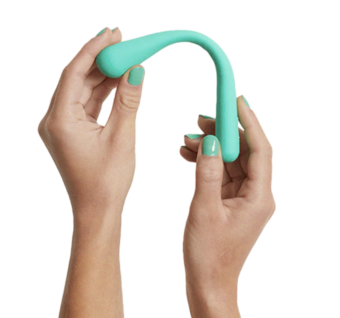
  1. UnboundBabes Bender Vibrator

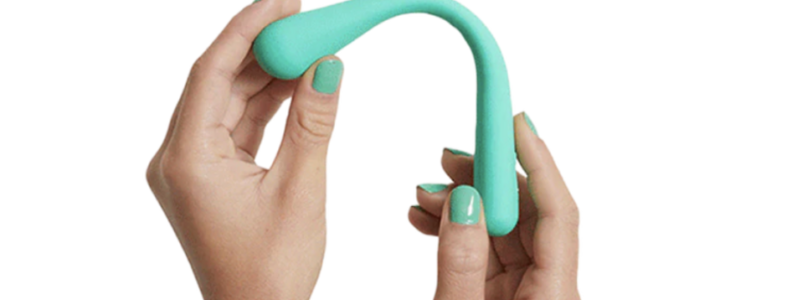
UnboundBabes makes this vibrator that can be used in and on any human body, which is great for LGBTQIA+ folks. It is very bendable, can be used internally in a vagina and/or anus, or externally on other erogenous zones, and can be shared after a simple soap and water cleanup.

Source: unboundbabes.com
  1. Human Canvas Experience

Become a human canvas for a human body artist like Andy Golub.

Source: andygolub.com

Or get playful and invite a friend or partner to do an art session (in a warm location) where you and a partner paint one another with body-safe paint. It’s a creative experience that tingles the visual, tactile, movement, and perhaps sound senses if you put on your favorite playlist.

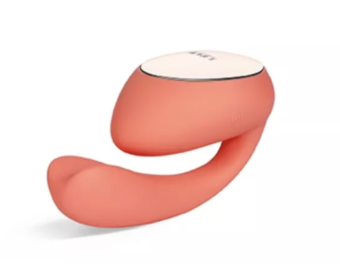
  1. Lelo Ida Wave Toy for Long Distance Couples

A remote-controlled vibrator, which is a fun one for couples who happen to be apart. 

Source: www.lelo.com
  1. The Skin Deep Question Decks

The Skin Deep offers thoughtfully designed question decks (e.g., Couples, Co-workers, Friends, Parents) that invite emotional honesty and vulnerability. The questions are grounded, sometimes playful, sometimes deep, and can be used between partners or close friends to foster meaningful conversation and connection.

Source: shop.theskindeep.com
  1. Lady Konfidential Satisfyer Remote Panty Vibrator

I like this toy because both heterosexual and queer couples can use it during a date to create a simmer in a flirtatious manner. One partner can control the sensations with the remote while the other wears the vibrator in their underwear, turning an ordinary evening into something playful and charged. I also really appreciate the store itself. One partner can use the remote to control the sensations while the other wears the vibrator in their underwear, bringing the vibe. I also love the store, which is private and owned by an experienced seller who is a wonderful advisor and creates a safe, comfortable experience for shopping at her store.   

Source: ladykonfidential.com

At the end of the day, the most meaningful gifts aren’t about the price or perfection; they’re about the intention. Whether it’s a conversation starter, a sensual object, or a shared experience, a good gift says, “I see you, I thought about you, and I want to connect with you.” It is especially important during the holiday season, which can feel hectic and lonely. Choosing gifts that invite presence, play, and vulnerability can help strengthen connection long after the wrapping paper is gone.


Three Tips for Holiday Gift-Giving and for Couples Wellness this Season

How to create more meaning of your gift-giving experience with your partner. 

Source: Pexels/
AnastasiaShuraeva

The holiday season of Christmas, Chanukah, and Kwanza can be filled with a lot of tasks: planning family gatherings, attending social obligations, confirming travel reservations, and of course, the expectation of purchasing and receiving gifts. While it is true that a gift can serve as an expression of love, many times it is bought in haste, along with so many other items on the checklist. This can then be felt as less meaningful to the partner who is the receiver, and does very little to provide emotional, romantic, and erotic growth to the relationship. Research shows that gifts aren’t solely a tradition, but rather, are great tools to help couples reconnect, show love, and strengthen closeness. Here are three frameworks to help spouses and partners buy a more emotionally attuned gift for their partner this holiday season. 

Tip #1: Gift Giving May Be More Effective Than Speech

In a 2024 study in the Journal of Consumer Psychology by Howe, Wiener, and Chartrand, they found that receiving a small, thoughtful gift was sometimes more effective than a supportive conversation. The participants who received a gift from a loved one reported stronger feelings of being cared for, valued, and emotionally satisfied than those who were simply told kind words. This also aligns with research connected to the Five Love Languages framework. A 2024 study by Impett et al showed that when people rated each love language separately, more than 50% showed that gifts were one of the most meaningful ways they feel loved

Source: Pexels/KetutSubiyanto

Additionally discussed by Howe, Wiener, and Chartrand was how crucial it was for the gift to be given intentionally and with the receiver in mind for it to hold such significance. The study specifies that this gift does not have to be something large or expensive; it can be as simple as a scented candle. A carefully chosen gift can reinforce one’s partner’s emotional presence and commitment. 

Tip #2 Experiences or Objects — Both Can Work, If They Include Personal Meaning

When it comes to gift-giving, experiences are rising in popularity, and there is a reason for it. In a Journal of Consumer Research paper by Chan & Mogilner (2016), experiential gifts such as date nights, games, and trips are reported by participants as more effective than receiving objects due to the shared memories the experiences created for the participants. These shared meaningful experiences deepened the relationship in a stronger way than did material gifts. A client described how she created a scavenger hunt around the apartment she shared with her boyfriend, as she knew he loved this game. It ended with a gift card for a private session at a local karaoke bar he loved to go to with their friends. However, this same study also emphasized that emotionally evocative material gifts can also be powerful. These material gifts would include objects with meaning that carried an emotional resonance. When a client had a unique cake from a specific region of Italy delivered to his boyfriend as a holiday gift, his partner was so moved, as they had initially tasted it together on their romantic vacation the summer before. 

Newer research reinforces the benefits of experiential gifts. Across three different recent experiments led by Puente-Díaz & Cavazos-Arroyo with college-aged students, the researchers found that experiential gifts (like events, activities, or shared experiences) make people feel more autonomy-support than material gifts. Autonomy support is defined as the feeling by the recipient that their gift feels like it aligns their particular preferences, individuality, and in essence “fits who they are”. Thoughtfully chosen experiential gifts evoke stronger feelings of being understood, respected, and valued.  

Source: Pexels/AnnaShvets

This can readily be seen when the experience is actually not something the giver is that into, so in essence, the gift is very clearly a scenario that is solely for the pleasure of the receiver. A clinical example occurred when a wife relayed how she booked a reservation for an all-day spa day for her husband and her, despite the fact that she had never really been a huge fan of saunas and jacuzzis. She purchased it and took a day off work because she knew how much pleasure he’d get from not only the spa but the fact that she took the time and was there, sharing the experience with him.

In short, the intention, the alignment, and the sharing of the experiential gift to the receiver resonated as deeply than solely the gift itself. So whether an object-gift is a book the giver knows their partner will love, a bottle of sensual massage oil with an invitation to an intimacy date written on a heart shaped homemade card, or an experiential gift of an intimate relationship card game, intentional objects and experiential gifts like these have both been shown to be felt as more meaningful by the receiver than a costly but impersonal gift. 

Tip #3 Gifts Are Relationship Wellness Experiences, NOT a Holiday Duty

Source: Pexels/BudgeronBach

What also makes gifts so powerful is their ability to express nonverbal loving communication and a way to tend to the wellness of one’s relationship. They can express care, support, validation, and playful passion, feelings that become even more valuable when so much of the verbal communication during the season gets drowned out by the noise of holiday logistics and planning. Gift giving is a way to enliven the erotic, romantic, and sexual energy of a relationship through the surprise and novelty of the gift, which are keys to the emotional and sexual wellness of every relationship.  Rather than viewing gift-giving as a duty, expanding the concept of experiential and meaningful gifts is a critical strengthening practice for any relationship. Over time, these small gestures of attention and bonding can grow a couple’s foundation beyond trust, emotional safety, and openness to inspire spontaneity, flirtation, and sexual excitement.

Healing Intimacy: How Sex Therapists and EMDR Therapists Can Collaborate for Survivors of Sexual Trauma

Host: Sari Cooper, LCSW, CST, CSTS, Founder of The Center for Love and Sex

Guest: Maggie Vaughan, LMFT, Founder of Happy Apple Therapy

🎙 INTRODUCTION

“Welcome to the Allied Professional Interview Series. I’m Sari Cooper, AASECT Certified Sex Therapist and Supervisor, and the Founder of the Center for Love and Sex in New York City. Today, we’re diving into a deeply important and often misunderstood area of therapeutic collaboration — how sex therapists and EMDR therapists can work together to support survivors of sexual trauma on their journey toward healing, intimacy, and pleasure. Joining me is Maggie Vaughan, LMFT and Founder of Happy Apple, an EMDR specialist who focuses on trauma-informed care and nervous system regulation. Maggie, I’m so glad to have you here today.”

Foundations of Healing Collaboration

Sari:

“Let’s start by grounding our audience. Maggie, for those who may not be familiar, can you briefly describe how EMDR therapy works and how it helps people process sexual trauma?”

Maggie:

“Absolutely. EMDR — Eye Movement Desensitization and Reprocessing — helps clients reprocess traumatic memories that are stored maladaptively in the brain. For survivors of sexual trauma, it’s often about helping them reconnect to a sense of safety in their body while reducing the emotional charge of those traumatic memories. Once that groundwork is laid, they can start to experience intimacy and sexual pleasure without the same physiological or emotional reactivity.”

Sari:

“That’s so vital. As Certified Sex Therapists at Center for Love and Sex, we often see clients ready to address intimacy issues — pain during sex, avoidance, or panic and anxiety around being touched — when we assess and discover there’s unresolved trauma at the root. That’s where collaboration with EMDR therapists like you becomes essential.”

The Collaborative Process

Sari:

“Let’s talk about what a healthy collaboration looks like. When a sex therapist refers a client to an EMDR therapist — or vice versa — what are some best practices?”

Maggie:

“The first thing is establishing clear communication and consent. We want to make sure the client knows we’re part of a team — not two separate silos. Regular case consultation with the sex therapist (with the client’s permission) allows us to track progress, avoid overlap, and ensure that we’re pacing the work appropriately. Sometimes, EMDR treatment comes first to stabilize trauma responses; other times, we can move concurrently, depending on the client’s readiness.”

Sari:

“Yes, and from the sex therapy side, once EMDR has helped reduce the traumatic triggers, we can introduce sensate focus exercises, body mapping, and communication skills — helping clients re-engage sexually in a way that feels safe and empowering. This is true for clients who are single and want to date, as well as for people who are already in a relationship, partnered or married.”

Common Challenges & Misconceptions

Sari:

“What do you think are some of the biggest misconceptions Certified Sex Therapists might have about EMDR treatment, and vice versa?”

Maggie:

“Some sex therapists worry that EMDR is too intense or that it will ‘re-traumatize’ the client. In reality, EMDR is highly contained and client-led. We focus on resourcing and stabilization before we ever explore and treat the trauma directly. On the flip side, some EMDR therapists may overlook the importance of addressing erotic embodiment — which is where collaboration with Certified Sex Therapists becomes so powerful.”

Sari:

“Exactly. Healing trauma is not just about desensitization; it’s about re-sensitization in an empowered manner— helping clients reclaim pleasure, connection, safety and agency in their bodies.”

Integrative Healing in Practice

Sari:

“Can you share a case example — anonymously, of course — of how collaboration between EMDR and sex therapy led to transformation for a client?”

Maggie:

“Sure. I worked with a client who had a history of sexual assault and was experiencing panic during intimacy. Through EMDR, we targeted the traumatic memories that were still stored somatically. Once those responses softened, her sex therapist was able to guide her through body reconnection exercises and communication tools with her partner. The two therapies together allowed her not just to reduce symptoms but to rediscover joy and trust in intimacy.”

Sari:

“That’s such a beautiful example of integrative healing — how the trauma work sets the stage for the re-embodiment work that we sex therapists specialize in. From our end we have referred clients to EMDR-Certified therapist who had difficulty due to disassociation during sex and had only experienced sex as a giving, performative act for her partner’s pleasure rather than finding how to be somatically present and vocal about what she wanted for her own sexual pleasure. Through our holistic, collaborative approach she began to set up boundaries with her partner in couples work so that she could begin to discover what felt secure and physiologically stimulating in a sexual encounter.”

Takeaways for Clinicians

Sari:

“For clinicians reading, what are the top three takeaways we can offer when it comes to collaboration between EMDR Therapists and Certified Sex Therapists?”

Maggie:

1️⃣ Build trusted referral networks.
2️⃣ Keep open communication with shared clients — with consent.
3️⃣ Approach this work with humility and curiosity. We’re co-regulating systems, not competing disciplines.”

Sari:

“Beautifully said. And I’d add — stay trauma-informed, become more sexuality -educated, and remember that healing sexual trauma is a team effort.”

Sari:

“Maggie, thank you so much for joining me today and for shedding light on the synergy between EMDR and sex therapy. For those watching, you can learn more about Maggie’s work at Happy Apple Therapy and about my practice at The Center for Love and Sex.

If you enjoyed this conversation, be sure to follow my Executive Interview Blog Series for more insights at the intersection of trauma, intimacy, and sexual wellbeing. Until next time — take care and stay curious.”


Feeling  Stuffed But Not Satisfied: How to Manage Stress, Negative Body Image, and Create Space for Sexual Desire Over the Holiday Season Part 2

The Movember Movement Supports Men’s Mental, Body Image, and Sexual Health

Movember is an international charity that brings attention to major issues like men’s prostate and testicular cancer, mental health, and suicide prevention. During the month of November for the past twenty years, they invite men to grow a “mo” or mustache to raise money and awareness on illnesses that have long remained in the shadows. Each of these diagnoses directly impacts sexual functioning and relational health. Movember has added research showing that body image concerns, commonly associated with women’s mental health challenges, can deeply impact men too. 

Source: DepositPhotos/ fizkes

The results of a 2025 longitudinal study by Süleyman Agah Demirgül et al. in Sexuality Research & Social Policy echoed the Instagram study cited earlier related to women’s self body image.  Following 3,700 young men and women, researchers found a bidirectional link between pornography use and body dissatisfaction only among men. Men who consumed more pornography at baseline reported greater Body Dissatisfaction one year later, and those that had higher levels of Body Dissatisfaction at baseline reported increased pornography use one year later.

The more pornography men were consuming, the more they developed concerns about their bodies due to the films’ unrealistic display of muscular physique and genital size. This led to not only self-criticism but also an avoidance of intimacy. When heterosexual couples come into treatment for therapy, there is a deeper shame in both partners when they report that the partner exhibiting lower desire is the man. Their female partners sometimes unwittingly contribute to the problem by believing the myth that all men have higher sex drives than women. For couples visiting family/friends or traveling over the holidays, the problem can worsen, privacy disappears  and old family wounds can get triggered, leaving little space for desire or connection.

In a 2022 study, Moynihan, Igou, and van Tilburg found that when people, across genders, felt bored or emotional discomfort, they were more likely to turn to pornography for relief. In addition, men can also use pornography for entertainment and erotic/sexual release. With less privacy for masturbation, men who rely on frequent porn access might also feel emotional and physical tension and project it onto their partner over the holidays.  

Source: DepositPhotos/Elnur_

Men have been raised in a society that centers on a narrow range of acceptable emotional expressions that align with masculine ideals. While hegemonic masculinity ideals vary depending on racial, regional, cultural, and religious backgrounds, it might be a helpful tool for therapists to invite their male clients to check out Movember’s website as a conversation opener. Encouraging male clients to talk about how their body image, sexual desire, and intimacy behaviors might be impacted during the holiday season can be therapeutic.  

From Critique to Connection

Some evidence-based strategies to help shift self-judgment into connection this season:

  • Writing kind notes to oneself: This may sound silly, but it is shown to be effective. The Mindfulness study by Gracias & Stutts (2024) found that short self-compassion writing exercises reduced negative body image. Taking a few minutes to speak gently, self-reflection can really improve body satisfaction and mood.
  • Movement for pleasure, not focusing on weight loss: Adding little things like walking, stretching, or dancing to one’s favorite holiday music can elevate dopamine levels and support the body without reinforcing a restrictive mindset.
  • Intentional social media boundaries: To protect against unrealistic comparisons, take a step back from scrolling on social media and enjoy the time with loved ones. 
  • Ongoing communication about sexual needs and emotional vulnerabilities: Schedule time for open conversation, especially before the hectic holiday season begins, so each partner can express their needs regarding intimacy. Then look at the calendar to intentionally set times to be intimate during the holidays and define what that means for each partner. Honor that time so it centers and emotionally nourishes the mental health and relationship needs of both partners
Source: DepositPhotos/Teerasan

While these may seem simple and obvious interventions, they do require intention, compassion, and planning. The holidays are filled with external noise, like familial expectations and potential judgments, so using a more curious lens as opposed to a critical one can really change the whole holiday experience. 

How to Go From Feeling Stuffed to Feeling Sexually and Emotionally Satisfied  

When one reports feeling  “stuffed”, it is not only a physical feeling they’re describing but often an attempt to fill up emotional and sexual hunger with food, alcohol, substances, and/or distracting pastimes. True holiday nourishment doesn’t come from restriction or seeking perfection, but from authentic communication, rest, mindful eating, self-acceptance, and sexual intimacy (whether partnered or solo). 

Source: DepositPhotos/ OlezzoSimona

For women who are struggling with negative body image, it’s helpful to journal about what they truly desire over the holiday season. By carving out time and deciding what to say yes or no to, one can begin to practice sexual self-care. That might mean lighting a candle and taking time to reconnect with a person’s own pleasure, or setting aside intentional moments of touch and closeness with a partner.

Similarly, for men, Movember’s message extends beyond physical screenings. This serves as a reminder over the holidays that caring for the body includes planning ahead to care for the mind, emotions, and erotic and sexual pleasure. By the time the holidays wind down, sexual and emotional satiation often comes less from indulgence and more from feeling seen and authentically connected to oneself and to loved ones. 

Feeling Stuffed But Not Satisfied: How to Manage Stress, Negative Body Image, and Create Space for Sexual Desire Over the Holiday Season: Part 1

While the holiday season is supposed to be filled with joy, connection, and lots of filling up on delicious holiday dishes, for many people, the pleasures fall short of their hopes. For some people, Thanksgiving and Christmas celebrations inspire stress, pressure to live up to family expectations, overeating to feed one’s emotional pain, along with psychological and/or physical isolation. Parents juggle restless kids in unfamiliar settings, hosts fret over creating “perfect” gatherings, and privacy can be hard to come by. Given the stressors of travel, pressure to ensure that everyone is ‘happy’, difficulty sleeping, and/or negative body image stirred up due to eating more than usual, these challenges can contribute to an overall body/mind/spirit feeling of “stuffed” and erotically and sexually unsatisfied. 

According to a 2023 American Psychological Association survey, 43% of U.S. adults felt that the stress of the  holidays makes it hard to enjoy them. In addition to that, a more recent 2025 study published in the Eating and Weight Disorders journal, Thomas et al. analyzed over 10 million social media posts that showed a body image dissatisfaction spike during this season. The study found that due to unwanted weight gain from the holidays, followed by New Year’s resolutions and fitness goals caused negative body-image issues. To strengthen this point, in 2023 Abdulan and his colleagues in Nutrients found that on Christmas, people ate 3 times their recommended daily calories with some meals coming out to almost over 6,000 calories

Source: DepositPhotos/sebastiangauert

Many therapy clients begin to experience anticipatory anxiety in early November as they begin planning for family gatherings, cooking and/or hosting responsibilities and the concerns around triggering old attachment wounds or trauma. If clients are already struggling in their dating, relationship and/or sex lives, figuring out how to sustain intimacy during Thanksgiving, Christmas, and New Year’s can fall way down on the list of other goals that are prioritized. 

How Holiday Stress and Sleep Disruptions Impact Sexual Satisfaction and Functioning

Sex therapy clients report that when they travel for holiday gatherings, the first thing to get disrupted is their sleep schedule, which inevitably leads to less sex. While there’s plenty of research informing us of the importance of nightly sleep for overall mental health, there are even more disruptions during the holiday season due to several factors, including: 

  • Increased alcohol intake
  • Children’s disrupted schedules
  • Late-night conversations
Source: DepositPhotos/VitalikRadko

The research backs up clinical observations. In a large wearable device study analyzing over 10 million sleep episodes, Heacock et al found that during major holidays, sleep regularity declined about 14%. That may seem subtle; however, in the Journal of National Sleep Foundation, Sletten et al. discovered that not only less sleep, but also inconsistent sleep can affect the body’s circadian rhythm. In their 2023 consensus, they found that having many different sleep times led to flatter cortisol rhythms and elevated stress. 

In a 2019 Psychoneuroendocrinology study, Rosemary Basson and her colleagues discovered that lower morning cortisol can also be detrimental to one’s libido. More recent research echoes this connection between sleep quality and sex. In a 2023 study in the Journal of Psychosomatic Research, Pigeon et al. found that adults with poor sleep had significantly lower sexual satisfaction and higher rates of sexual dysfunction. The women in the study reported trouble orgasming and lower sex drive, and for the men, it was difficulty maintaining erections and lower sexual satisfaction. 

Together, these studies show that disrupted sleep, which is very common during the holiday season, can dampen one’s mood, desire, and overall sexual pleasure. These problems contribute to less frequent sexual intimacy at a time when one may be in more need of that emotional closeness and tension release. 

Why Women’s Negative Body Image Increases over the Holidays

Negative body image has always been a roadblock in women’s overall well-being and sexual desire, and pleasure. With the holiday season coming up, the challenge of internal body shame has the potential to increase. Between larger portions at holiday meals, endless photos for social media, the lure of diet culture, and relatives’ potential fat-shaming comments, many women report feeling torn between enjoying the food and celebration and fearing weight gain or self-loathing. Many sex therapy clients report being “in their head” during intimacy because of their internal body shaming, frequently comparing themselves to social media influencers who unrealistically portray society’s idealization of beauty standards. 

Source: DepositPhotos/nicoletaionescu

In a 2024 study published in The Journal of Medical Internet Research, Anna Hinsch et al. investigated the relationship between Instagram use, self-criticism, and body dissatisfaction. Among the participants (90.2% of whom identified as women), those who spent over 3 hours/day viewing content centered around physical appearance exhibited higher levels of self-criticism and body dissatisfaction scores.

During the holidays, this internalized self-loathing can increase since social media platforms like Instagram and TikTok are flooded with photos of idealized tablescapes and holiday outfits modeled on ultra-thin women. Generally, this scrolling is continued during the holiday season as emotional regulation. Negative body image is associated with lower sexual desire, leading to decreased partnered or solo sexual activity.  

World Mental Health Day: Why Sexual Health Must Be Part of the Global Well-Being Conversation

Every year on October 10th, the World Health Organization (WHO) partners with international organizations to bring awareness and support to people living with mental health issues on World Mental Health Day. According to the WHO, 1 in 8 people live with a mental health condition. Together with the World Association of Sexual Health (WAS), they recognize that sexual health AND sexual pleasure are a critical component of overall mental health throughout the lifespan.

Source: DepositPhotos/IgorVetushko

While mental health disorders are being more understood by the general public because of their commonality, most people aren’t as informed about the frequency of sexual health disorders. In 2024, researcher Ramírez-Santos and his colleagues published a meta-analysis (a combination of many studies) in the Sex Med Review analyzing over 4,000 studies. They found that sexual dysfunction was prevalent in 31% of men and 41% of women, and these disorders were often linked to distress, depression, and anxiety.  Unfortunately, many of these sexual disorders, like Erectile Dysfunction, low desire, Orgasmic Disorder (for women and men), and Genito Pelvic Pain/Penetration Disorder (GPPPD), were found to go underdiagnosed. This was due to many medical professionals lacking proper sexual health training in their residencies. Because their screenings were inconsistent, the researchers estimated that the true percentages are likely to be higher. When sexual disorders go untreated, it can lead to even poorer mental health. In their discussion, the researchers stressed that better screening and more awareness are needed to prevent the spike in mental health disorders and sexual dysfunction.

Another 2024 review of 63 studies by Vasconcelos et al. in the Bulletin of World Health Organization, also found that in almost all the studies, there were significant connections between positive sexual health and lower levels of Depression and/or Anxiety, as well as increased life satisfaction. These associations included men, women, older adults, pregnant women, and those in both same-sex and mixed-sex relationships. 

As World Mental Health Day is honored on October 10th, it offers an important opportunity for therapists, medical professionals, and patients to explore how sexual health and mental health are interconnected. By making sure discussions about sexual health are not overlooked on this day, providers and their patients can gain a better understanding of what treatment is needed. This could include referrals to specialists such as: 

  • Certified Sex Therapists
  • Doctors specializing in sexual health
  • Pelvic floor physical therapists and/or  
  • Support groups

The Dual Link Between Sexual and Mental Health

Source: DepositPhotos/Milkos

As witnessed in sexual therapy clinical practice and in the professional literature, the relationship between sexual health and mental health travels in both directions. On one end, people who struggle with things like Anxiety and Depression tend to report having lower desire levels and more Anxiety when a partner initiates a sexual encounter. And on the flip side, people who struggle with sexual disorders report higher levels of emotional distress and sadness.

Daniele Mollaioli, PHD, and his fellow researchers published a study in  the The Journal of Sexual Medicine illustrating the connections between mood and anxiety disorders and the subjects’ reports around sexual intimacy activity during the COVID-19 pandemic lockdown period.  Published in 2021, the study showed that people who maintained a healthy sex life during the lockdown were better protected from the risks of quarantine-related anxiety and depression in all genders. 

While the pandemic was an extraordinarily unique and unprecedented time, more recent studies have also drawn the connection between mood disorders and sexual functioning. In a 2025 study published in the Journal of Affective Disorders, Chen et al. found that adults who had less frequent sexual activity issues with their sex life experienced significantly more depressive symptoms. Additionally, a study published in The Journal of Sexual Medicine by authors Dominguez-Bali and Hernandez, on menopausal women, highlighted the mental and physical benefits of experiencing orgasm, even through self-pleasure. This shows that there is no pressure to engage in frequent partnered sex to maintain sexual and mental well-being.

We can now see that in study after study, people’s mental health, especially symptoms of Depression and Anxiety, are strongly tied to their sexual health and satisfaction.  In 2023, Pigeon et al., in The Journal of Psychosomatic Research, insisted that when people have healthy sex lives, they have better sleep, less stress, and fewer mental health issues  

The Impact of Sexual Stigma on Mental Health

Source: DepositPhotos/sorapopu@gmail.com

In the modern digital age, Millennials and GenZers often brag on social media platforms like TikTok or Instagram about how frequently they are having sex. This trend, unfortunately, contributes to many sex therapy clients’ sense of failure about their own sex lives or lack thereof. However, in the sex therapy clinical setting, clients report that their most satisfying sex happens when they are relaxed, safe enough to express their authentic erotic selves, and are confident that each partner is fully consenting to and enjoying the experience. What most people truly need help with is developing their sexual agency or what this author refers to as Sex Esteem®, to practice an authentic, regulated, and differentiated way of communicating and listening to each partner’s needs.  

Understanding that there is no one universal definition of a “good” sex life alleviates the pressure people feel to live up to a standard being depicted in sexually explicit media like porn, movies or social media influencers’ posts . For some people, it will be having sex less often, while for others, it can be exploring a new kink experience. However, there is one thing that stays consistent in all the research and clinical observations: when couples create a safe space and have clear communication in the bedroom, they are more likely to have a more authentic and pleasurable sex life, which can improve their overall mental health.

Source: DepositPhotos/ngvprod

Identifying as a sexual minority can also be challenging for many people. The stigmas and threats of physical violence on the LGBTQIA+ community adds to their sexual and mental health concerns. When researching for the Clinical Psychological Science journal, Pachankis et al. found that people who experience sexual shame are more prone to Depression. There is a great need for more therapists and medical providers to be properly educated and trained in order to provide inclusive care to clients from sexual minority groups.


Steps to Care for Your Sexual & Mental Health 

The WHO’s goal for World Mental Health Day on October 10th is to raise awareness and improve access to sexual and mental health education and services for those in need.

Here’s how you can care for your own and/or your partner’s mental AND sexual health:

  • Visit psychotherapy or healthcare practices that offer specialties in sex therapy, sexual health education, and sexuality informed medical treatments.  
  • Ensure your medical provider and/or therapist initiates discussions on sexual well-being AND mental health status. 
  • Keep yourself informed about the latest in sexual and mental health research, updated treatment guidelines, and share this education with others who might also need to learn.

When mental health and sexual care are seen as integral components of overall healthcare,  rather than distinct silos of concerns, people are more likely to feel physically, emotionally, sexually, and psychologically healthy.